Raw Food Diet: What You Should Know
There’s nothing quite like watching your dog or cat sprint to their bowl at mealtime. That excitement tells you something. And when you’re feeding a raw pet food diet, it tells you even more. But raw feeding isn’t just about taste, it’s about what’s happening inside your pet’s body.
Raw feeding isn’t just about taste. It’s about what’s happening inside your pet’s body: the way nutrients are absorbed, the way their gut functions, and the way they feel from the inside out. More and more pet parents are making the switch to raw pet food, and for good reason.
At Centinela Feed & Pet Supplies, we carry a wide selection of raw food for pets to help you find what works best for your dog or cat. Here’s everything you need to know before you get started.
What Is a Raw Pet Food Diet?
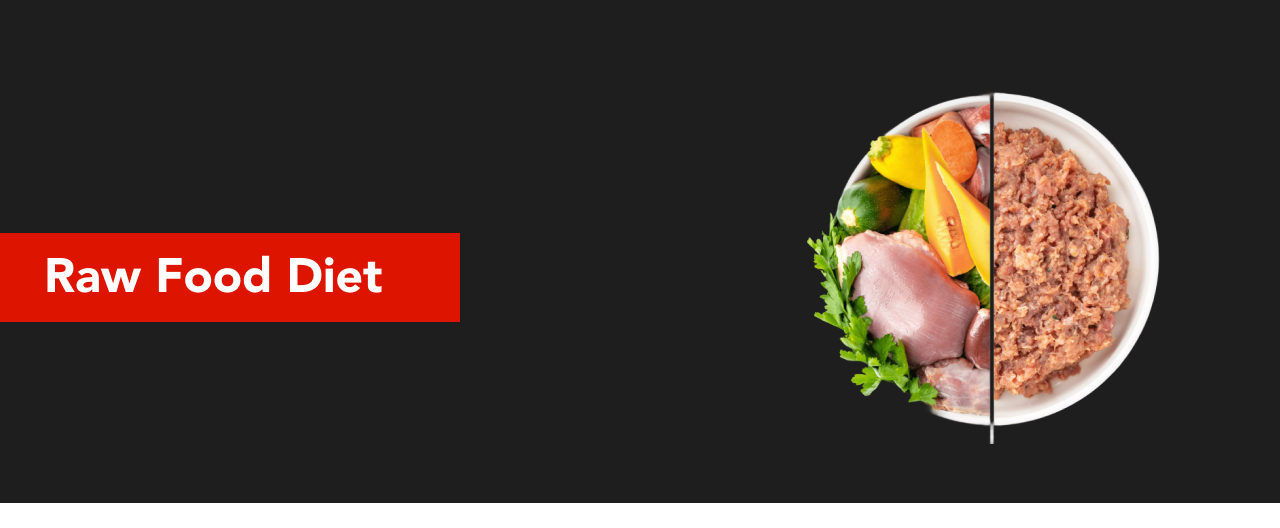
A raw pet food diet focuses on uncooked, minimally processed ingredients that mirror what a pet’s ancestors ate in the wild. Before commercial kibble existed, dogs and cats thrived on whole prey, raw meat, and natural foods. Their digestive systems evolved around those nutrients. Instead of heavily processed dry kibble, a raw diet typically includes raw muscle and organ meat, fresh vegetables, and occasional fruits. These ingredients provide bioavailable nutrition that is easier for your pet’s body to recognize and use.
Common Types of Raw Pet Food Diets
- Frozen Raw Food: Complete, balanced meals that retain maximum nutrients and are served thawed. This is one of the most popular formats for raw feeding pet food.
- Freeze-Dried Raw Food: Freeze-dried raw pet food offers the same nutritional benefits as frozen raw, with moisture removed for convenient storage and travel.
- Dehydrated & Air-Dried Pet Food: Gently processed at low temperatures to preserve nutrients while extending shelf life. A great middle ground for pet parents transitioning to a raw diet.
- Raw Toppers & Mix-Ins: Added directly to kibble, these are a simple way to introduce organic raw pet food nutrition without a full dietary overhaul.
Benefits of a Raw Food Diet for Dogs and Cats
The benefits of a raw food diet for dogs and cats are wide-ranging, showing up from the inside out. Here’s what many pet parents notice after making the switch.
Improved Digestion
If your dog has a sensitive stomach or your cat struggles with recurring digestive issues, a raw diet might be worth exploring. Raw food is biologically appropriate and easier for pets to process than heavily cooked or artificially preserved ingredients. Many pet parents report better nutrient absorption, reduced bloating, and fewer digestive upsets after switching to a raw pet food diet.
Healthier Skin & a Shinier Coat
That glossy coat you want for your pet? It starts from within. Raw diets are rich in natural fatty acids and nutrients that strengthen hair follicles, reduce excessive shedding, and promote soft, shiny fur. The benefits of a raw food diet for cats especially show up in coat quality, since cats are sensitive to the quality of protein and fat in their food.
Stronger Immune System
Raw food is packed with essential vitamins and minerals, natural enzymes, and probiotics that support gut health, which is directly linked to immune function. These nutrients work together to reduce inflammation, support overall wellness, and help keep your pet thriving every day.
Increased Energy Levels
Pets on a raw diet often have more consistent, stable energy throughout the day. Without the fillers and artificial additives common in some processed foods, their bodies can focus on using real nutrition to fuel activity, muscle maintenance, and overall vitality.
Reduced Food Sensitivities & Allergies
Many food sensitivities in pets are triggered by common allergens in heavily processed pet food, such as artificial preservatives, grains, and low-quality protein sources. Switching to a raw pet food diet with clean, single-source proteins can help identify and reduce these sensitivities over time.
How to Safely Transition Your Pet to Raw Food
Switching to raw isn’t something you want to rush. Making a sudden change can cause an upset stomach, temporary lethargy, loose stool, or diarrhea. This isn’t because raw food is bad for your pet; it’s simply because their digestive system needs time to adjust.
Here’s how to transition successfully:
- Start slow: Begin by mixing a small amount of raw food into your pet’s current food, gradually increasing the ratio over 1–2 weeks.
- Monitor your pet: Watch their energy, stool quality, and appetite throughout the process. These are the clearest signs of how well their bodies are adjusting.
- Adjust portions as needed: Every pet is different, so work with your vet to determine the right amount of raw food based on your pet’s age, weight, and activity level.
- Practice safe food handling: Thaw frozen raw pet food in the refrigerator, wash bowls and surfaces after each meal, and follow standard raw meat hygiene practices to minimize any risk of bacterial exposure.
A gradual transition is the key to long-term success with a raw diet.
Best Raw Food Options at Centinela Feed
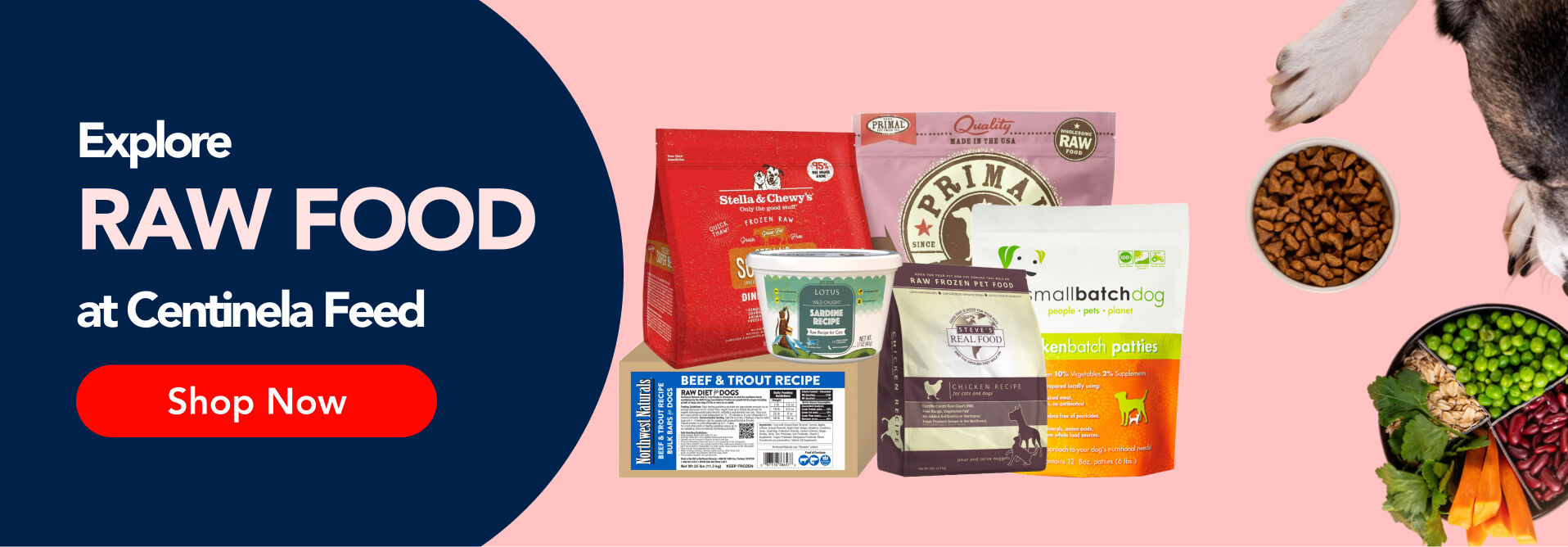
Ready to explore a raw diet? At Centinela Feed & Pet Supplies, we carry a wide variety of frozen raw pet food, freeze-dried raw pet food, and raw toppers across our 21 Southern California locations. We also offer same-day delivery and frozen shipping right to your door.
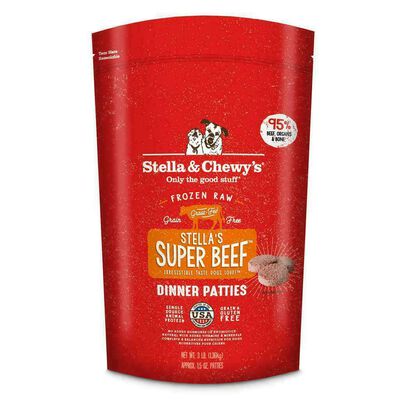
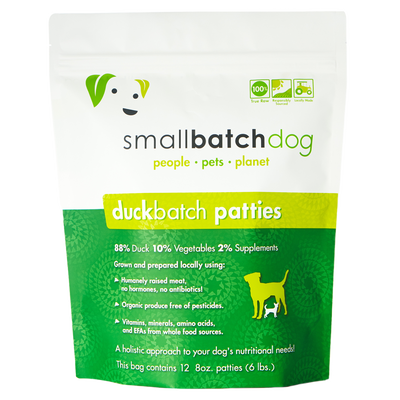
Here are some of our top raw pet food products to get you started:
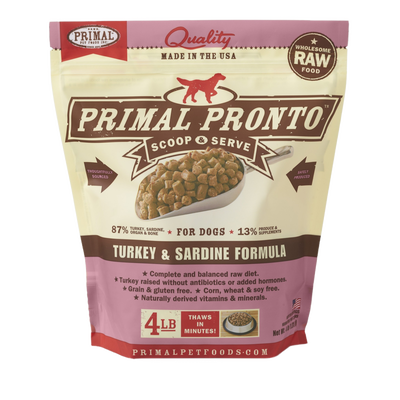
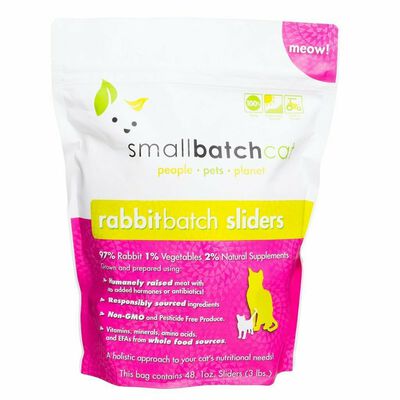
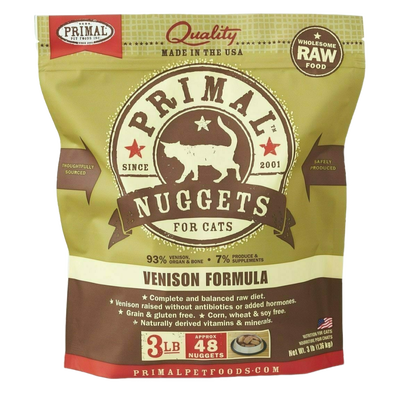
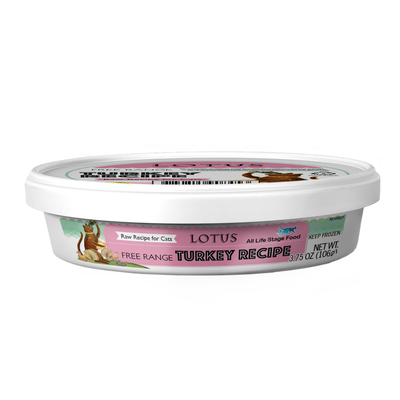
Browse our full selection of raw food for pets online or visit one of our 21 locations across Los Angeles County, Orange County, San Diego County, Ventura County, and Riverside County. Our knowledgeable team is always happy to help you find the right raw pet food brands for your dog or cat.